Zelena pot Teber – Nature Educational Trail
Črna na Koroškem | Length: 800 m | Walking time: 30–60 minutes
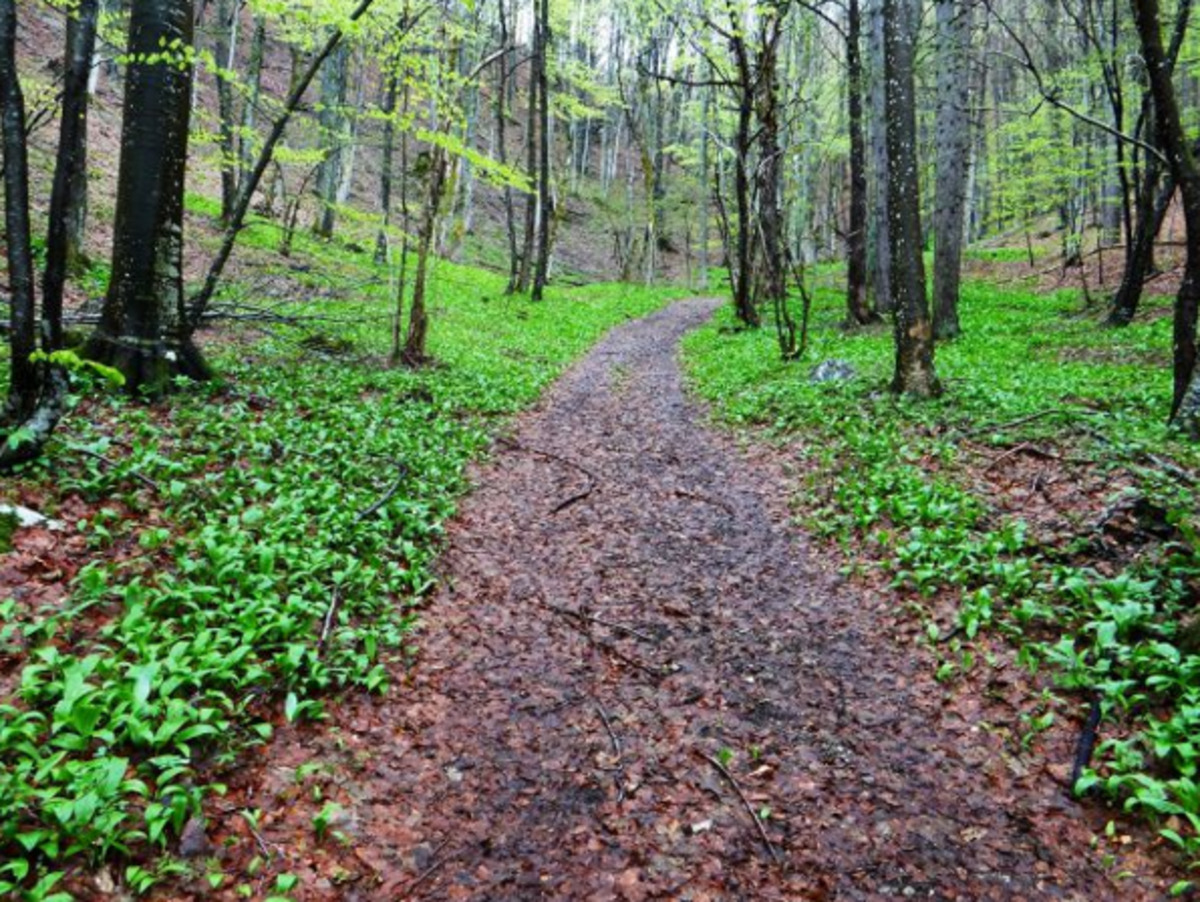
The Zelena pot Teber (Green Trail Teber) is a circular and clearly marked nature educational trail that runs along the southern slope of Teber – from the beehive near Hotel Krnes to Matvoz Meadow.
The trail is designed for observation, learning, and understanding the natural environment, its development, and the delicate balance between humans and nature.
1. BEEHIVEPollinators as the Foundation of Biodiversity
The introductory section of the trail takes visitors into the world of bees – exceptional pollinators that play a key role in many ecosystems.
The beehive of the Črna Beekeeping Association represents modern beekeeping and highlights the importance of nectar plants that provide natural food sources for bees.
Visitors learn about:
-
the importance of bees in pollination
-
characteristic nectar plants
-
the difference between floral and forest honey
-
plant species such as hazel, dogwood, hawthorn, and wild pear
2. FOREST SOILThe Foundation of the Forest Ecosystem
Forest soil develops from bedrock under the influence of climate and biological factors.
It forms a complex natural system that provides nutrients for plant growth without artificial fertilisation. Microorganisms, fungi, and plant root systems play a key role in soil formation and fertility.
Visitors learn about:
-
formation of forest soil
-
the role of microorganisms and fungi
-
the influence of roots on rock decomposition
-
the link between soil fertility and biodiversity
3. ORCHARDTradition of Sustainable Fruit Growing
On the slopes of Teber, traditional varieties of apple, pear, cherry, and walnut trees thrive, adapted to local climate conditions.
Fruit growing is based on sustainable practices without pesticides and with minimal pruning, helping preserve native fruit varieties.
Topics include:
-
importance of traditional fruit varieties
-
basic conditions for successful fruit growing
-
classification of fruit trees into pome, stone, and nut fruits
-
influence of climate, location, and moisture on growth
4. TREEStructure and Life of Trees
Trees are key organisms in forest ecosystems and essential creators of habitats.
Visitors learn about:
-
structure of a tree (roots, trunk, crown, leaves, flowers)
-
difference between deciduous and coniferous trees
-
photosynthesis and transpiration
-
tree species such as beech, spruce, fir, larch, and maple
5. FORESTA Natural System of Balance
Forests create a stable environment by retaining moisture, regulating temperature, and preventing erosion.
They also act as natural filters for air and water and significantly influence climate and environmental quality.
Topics include:
-
layers of forest vegetation
-
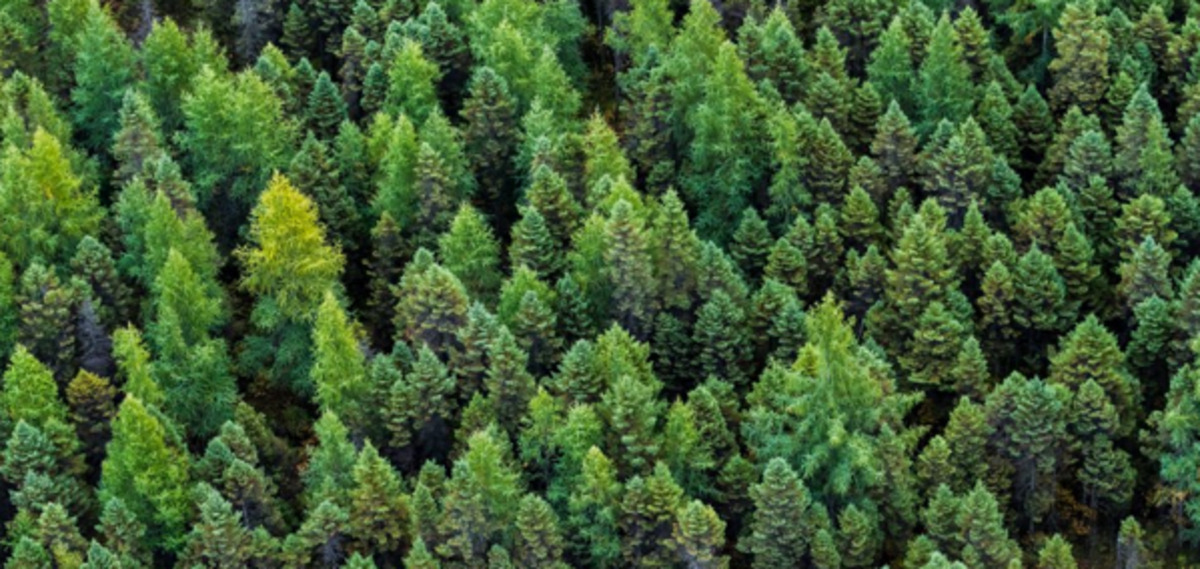
differences between deciduous, coniferous, and mixed forests
-
protective, economic, and educational functions of forests
-
importance of forests for humans and nature
6. MEADOWA Space of Biodiversity
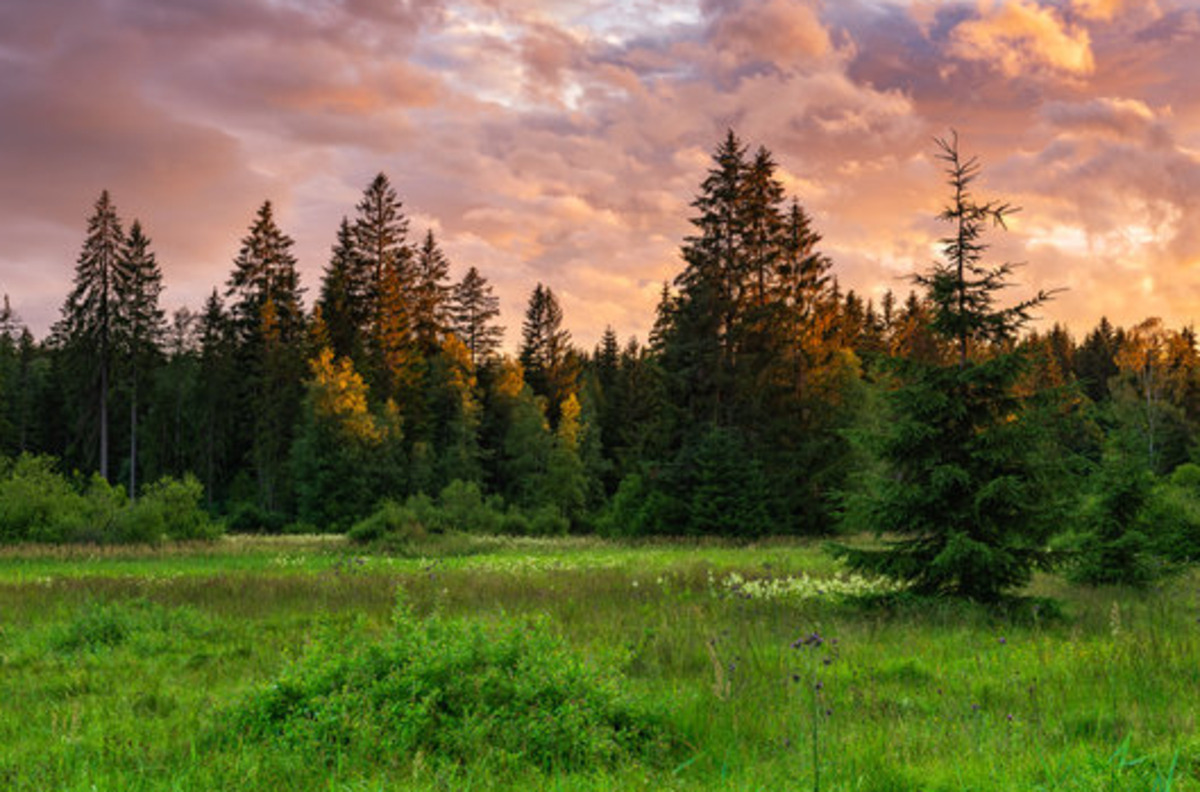
A meadow represents the transition between forest and open landscape and supports many plant and animal species.
Often formed through past grazing or mowing, it remains an important habitat today.
Visitors learn about:
-
food chains
-
nutrient cycles in nature
-
the role of meadows for wildlife
-
the role of hunting in population management
7. STREAMWater as a Source of Life
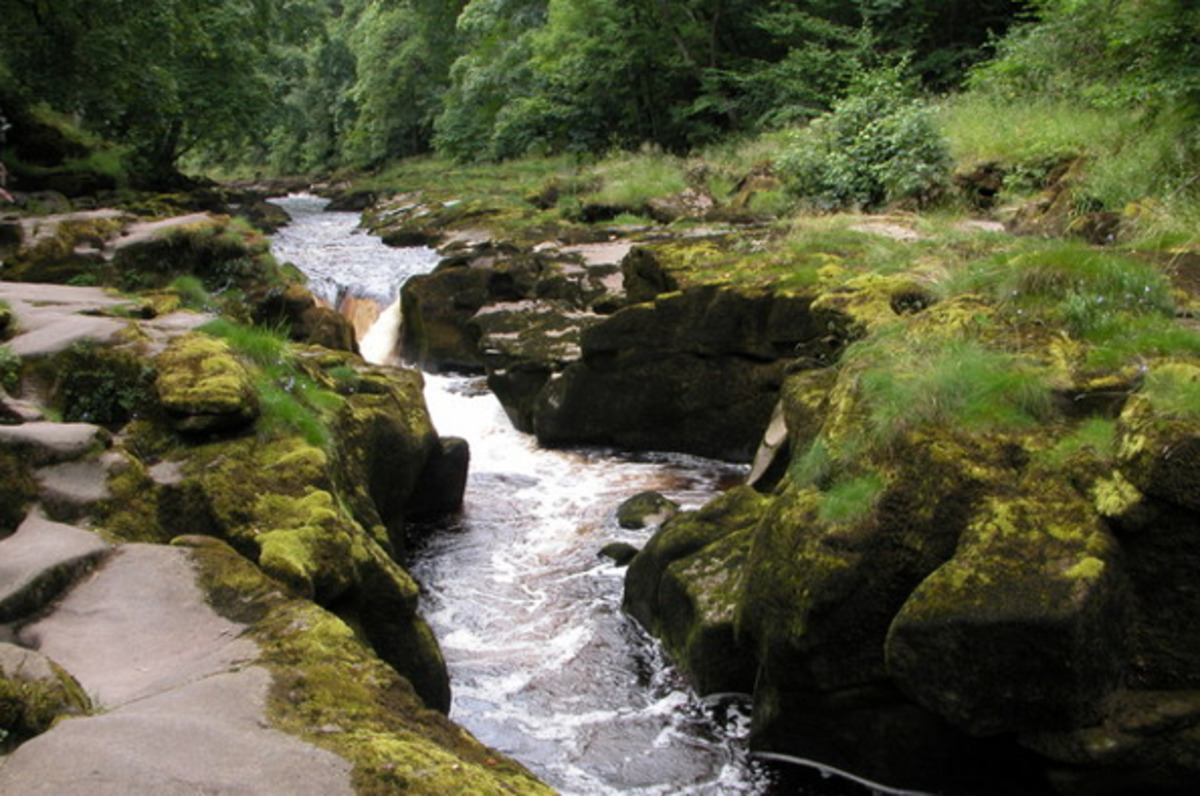
Mountain streams support a wide range of aquatic organisms and influence the local microclimate.
Special attention is given to the sensitivity of water sources and the risks of pollution.
Topics include:
-
the water cycle in nature
-
riparian vegetation
-
importance of streams for biodiversity
-
aquatic and semi-aquatic organisms
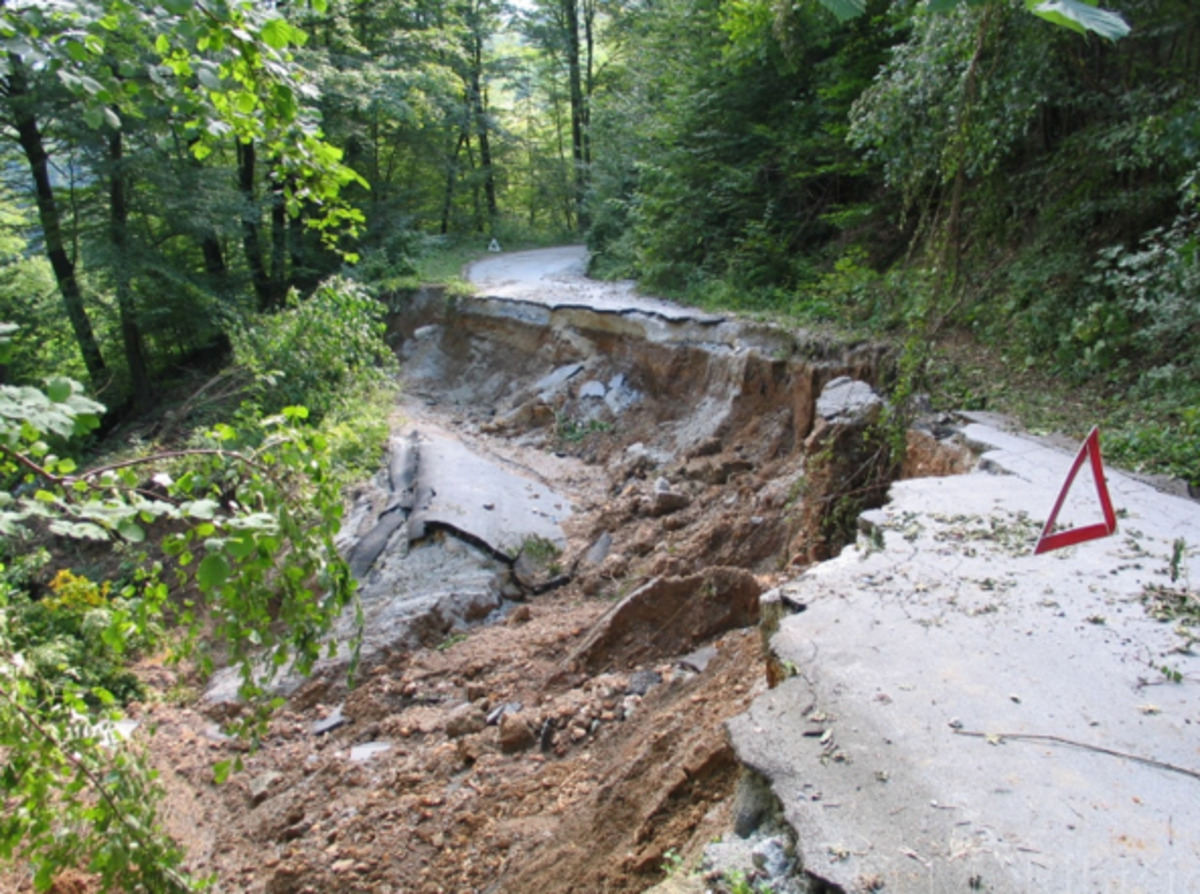
8. LANDSLIDEEffects of Erosion and Human Impact
A landslide occurs when vegetation is removed from steep slopes, causing soil instability due to lack of root systems.
Visitors learn about:
-
the role of forests in slope stability
-
differences between landslides and snow avalanches
-
human impact on erosion
-
preventive and restoration measures
9. FOREST LANDSCAPEHarmony Between Nature and Humans
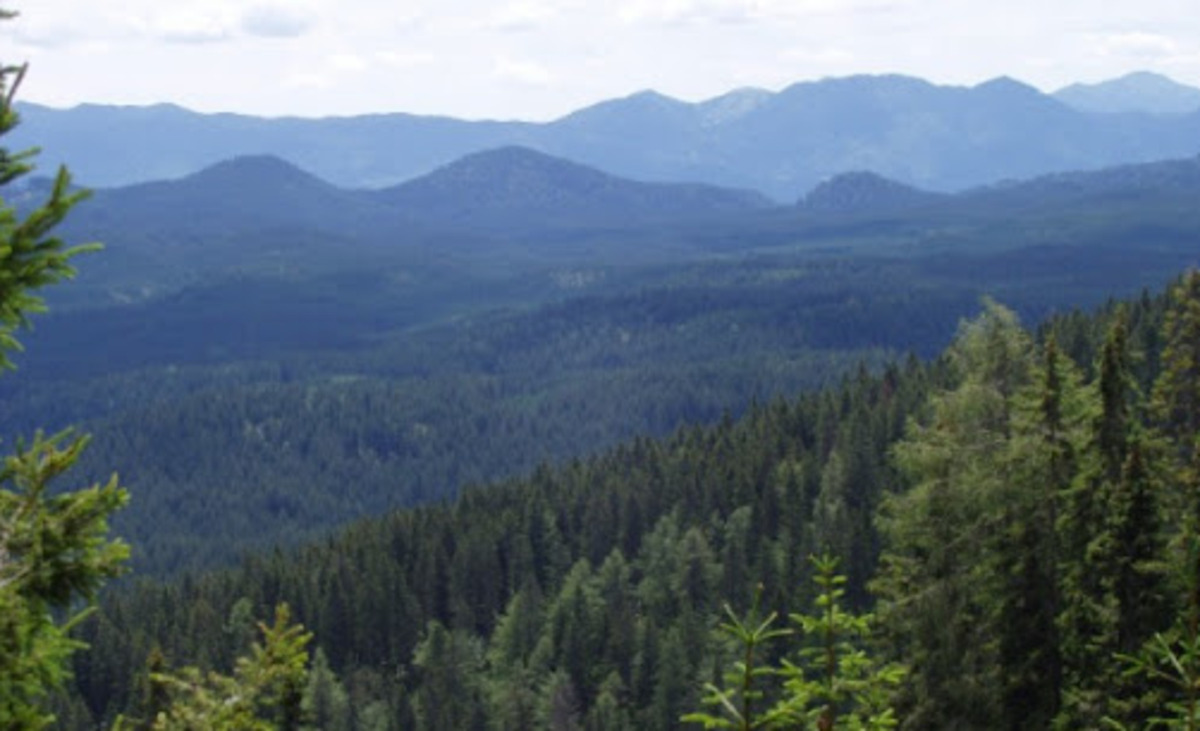
The final point offers a view of the characteristic Koroška landscape with forests, isolated farms, and traces of past industrial activity.
Special attention is given to pioneer forest, which gradually reclaims abandoned and degraded areas, symbolising natural regeneration.
Topics include:
-
impacts of industry and mining on the environment
-
forests as environmental indicators
-
preservation of cultural landscape
-
natural regeneration processes
CONCLUSIONLearning Through Nature
The Zelena pot Teber is not just a walking trail but an educational experience that brings visitors closer to natural processes, cultural heritage, and the importance of responsible environmental behaviour.
It is suitable for:
-
individuals
-
families
-
school groups
-
guided tours
The trail is attractive in all seasons and promotes sustainable coexistence between humans and nature.